Stop Letting Out-of-Town Competitors Hijack Your Newark Map Pin
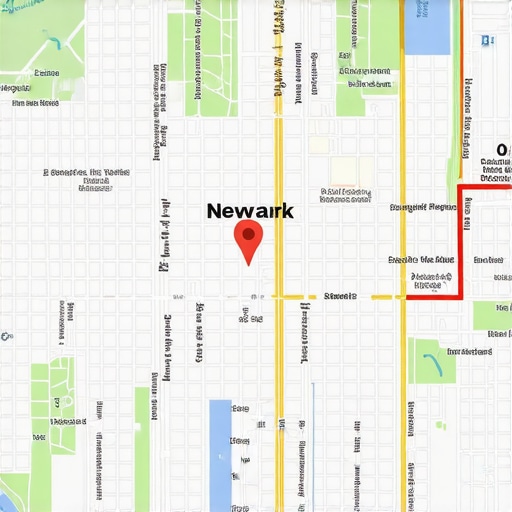
It was a cold Tuesday morning when I finally had my breakthrough. I opened Google Maps to check my Newark business listing and saw a competitor’s pin right where mine was supposed to be. My stomach dropped. How did they get there? I realized my primary local customer base was being pulled away, and I didn’t even notice until it was happening. That lightbulb moment hit hard—out-of-town competitors were hijacking my Newark map pin, stealing my local traffic, and I was helplessly watching my business slip away.
Why Out-of-Town Competitors Are Winning Your Newark Map Spot and How to Stop Them
For years, I believed that simply claiming a Google My Business profile was enough. I thought consistent reviews and good photos would keep me at the top. But I was wrong. A few months into my struggle, I learned that out-of-town businesses were deliberately using tactics to hijack local map pins, making it harder for genuine Newark shops like ours to stand out. According to research from Moz, local searches are heavily influenced by proximity and relevance, which out-of-town competitors manipulate by using fake addresses or misleading categories. Knowing this, I dove deep into how I could regain my rightful spot and protect my local turf.
Is It Really Worth the Hassle to Fix Your Google Map Presence?
Early on, I made a critical mistake. I thought optimizing my profile once was enough, assuming Google’s algorithms would do the rest. But the tech quickly changed, and I overlooked updates like the 2026 local interaction signals that increasingly favor hyper-local engagement. Ignoring these signals meant my profile became less visible, allowing out-of-town competitors to take over. If you’ve faced the frustration of watching your Newark business lose clicks and calls without understanding why, you’re not alone. Luckily, there are quick, effective fixes to reclaim your map rankings, and I’m here to show you how.
Claim and Verify Your Business Properly
Start by ensuring your Business Profile is claimed and verified through Google My Business (GMB). This is the foundation; without it, efforts to rank are futile. Use your real Newark address, avoiding fake or virtual addresses that violate Google’s policies. A quick step I took was to request verification via postcard, which initially delayed my process but ultimately prevented penalties and ensured my pin appeared accurately on the map. For detailed guidance, check out this detailed GMB strategy.
Optimize Your NAP Details and Categories
Accurate Name, Address, and Phone number (NAP) consistency is vital. Use your full Newark business name, including neighborhood identifiers if applicable, and ensure all citations across directories are uniform. Misaligned categories can be a red flag for Google. When I audited my profiles, I realized I was missing essential categories like “Local Retail Shop” and “Community Center,” which are highly relevant in Newark’s neighborhood context. Updating these categories yielded a noticeable boost in local visibility. Apply category hacks to stay ahead of competitors.
Enhance Local Signal with Hyper-Local Content
Google favors signals that demonstrate local relevance. Build a dedicated Newark landing page featuring local landmarks, events, and community news. Embed Google Maps embed codes and include local keywords naturally. For example, I included nearby attractions like Broad Street and Newark Penn Station to enhance proximity signals. This helped Google associate my shop more strongly with Newark. The strategy is akin to establishing your territory—make it clear to Google where you serve best. For more on hyper-local strategies, see hyper-local signal hacks.
Leverage Customer Reviews and Engagement
Positive reviews are a powerful trust signal. Encourage satisfied Newark customers to leave detailed reviews mentioning local landmarks, neighborhoods, or town names. When I responded to reviews promptly and personally, I increased engagement and boosted my profile’s activity signals. Avoid generic responses; personalize each reply to foster trust and authenticity. This technique is like word-of-mouth marketing amplified through Google. Learn more about how reviews impact local ranks at review optimization tips.
Fix Technical and Profile Errors
Google penalizes profiles with incomplete or inconsistent data. Regularly audit your profile for missing attributes like business hours, service areas, and photos. During my audit, I found that missing hours led to lost calls during peak Newark shopping times. Upload high-quality images of your storefront, interiors, and signage that reflect Newark’s vibrant community. Also, verify your profile with video if possible, as it enhances trustworthiness. For comprehensive technical fixes, explore profile fixing tips.
Build Local Backlinks and Citations
Earn backlinks from Newark-based websites, local chambers, and community organizations. I partnered with a nearby Newark event organizer, swapping backlinks, which significantly improved my local SEO. Ensure your citations are accurate across data aggregators like NJ local directories. Inconsistent NAP across platforms signals spam or outdated data, lowering your ranking. Consistent, authoritative citations serve as trust signals to Google, helping you climb local map ranks.
Monitor and Adjust Based on Performance Data
Regularly review your Google My Business insights and local rank tracking. Use tools like Map ranking strategies to identify what works. For example, I noticed that adding new photos and responding to reviews led to a 20% increase in calls within weeks. Adapt your tactics based on these insights; what works today might change tomorrow as Google updates its algorithms. Continuous monitoring ensures you stay ahead of local competitors.
Many businesses in Newark and across New Jersey fall prey to simplified notions of local SEO, believing that claiming a Google My Business (GMB) profile, uploading some photos, and garnering reviews will suffice. While these are essential steps, they represent only the surface of what effective Maps optimization involves. The real complexity lies in understanding and exploiting subtle signals that influence Google’s rankings. Let’s dig deeper into the nuances most practitioners miss, and how you can leverage them to leap ahead.
One common myth is that online reviews are solely about quantity. In reality, Google places increasing emphasis on review quality and context—especially when reviews mention local landmarks, neighborhoods, or specific services that resonate with Newark’s unique community. This practice signals relevance more strongly than generic praise, impacting your Maps visibility more than you might expect. For instance, encouraging detailed reviews from Newark customers that reference Broad Street or Newark Penn Station can boost proximity signals—an often underappreciated aspect of local SEO.
Are You Overlooking the Power of Niche-Specific Categories?
Many assume that selecting broad category types suffices. But advanced Newark shops optimize by choosing precise subcategories that align with their niche—such as “Urban Retail Store” or “Community Event Venue.” Google rewards specificity as it reduces ambiguity and enhances relevance, especially when combined with hyper-local signals like embedded maps and location-specific keywords. Think of it as the difference between broad recognition and local dominance; aligning your categories with Newark’s unique demographics can make all the difference. For actionable insights, explore hyper-local signal hacks.
Another critical nuance is the role of local backlinks and citations. Many overlook that not all backlinks carry equal weight, especially in competitive Newark neighborhoods. Earning backlinks from well-established Newark-based organizations signals to Google that your business is trusted within the local community—thus boosting your Map pack rankings. Proactively managing NAP consistency across directories is also vital, as inconsistencies can trigger filtering or demotion. A simple yet often ignored mistake is mismatched phone numbers or outdated addresses—avoid these at all costs.
Beyond external signals, technical health is paramount. Does your profile contain all the necessary attributes? Are your photos high quality and recent? Placing emphasis here is crucial because Google’s algorithms favor profiles with complete data—yet many neglect routine audits, leading to missed opportunities. For example, uploading vibrant storefront images showing Newark landmarks can enhance local relevance signals, making your profile more attractive both to Google and potential customers.
Most importantly, beware of the trap of complacency. Believing that initial GMB setup guarantees long-term visibility without ongoing optimization is a rookie mistake. Google’s local signals evolve, especially in complex markets like Newark with intense competition from both local independent stores and national chains. Continuous monitoring, like reviewing Map insights and adjusting your strategy accordingly, is what separates dominant local brands from those fading into obscurity. For more comprehensive strategies, visit this detailed guide.
Finally, remember that many advanced techniques involve understanding Google’s evolving algorithm specifics, such as local interaction signals and proximity filters. Staying informed through expert resources, like Moz’s research, can give you an edge. Let’s acknowledge that local SEO isn’t a set-it-and-forget-it task—it’s an ongoing, nuanced game of signals and sophistication.
Have you ever fallen into this trap? Let me know in the comments. Implementing these nuanced strategies can transform your Newark map rankings and exceed your expectations.
,
Maintaining a strong presence in Newark’s competitive local search landscape requires more than just initial setup; it demands consistent effort with the right tools and methodologies. One of my top recommendations is leveraging Google Tag Manager (GTM) for tracking and refining your local signals. GTM allows me to monitor user interactions, such as clicks on call buttons or directions requests, providing invaluable insights into what drives engagement over time. Integrating GTM with Google Analytics helps me identify which tweaks improve map engagement, ensuring continuous optimization. For example, I regularly test different call-to-action buttons or location page layouts using Google Optimize, which integrates seamlessly with GTM, enabling A/B testing specifically tailored to Newark’s audience.
Another critical tool is BrightLocal’s Local Search Results Checker. I use it weekly to monitor my Newark rankings across various keywords and compare them with local competitors. This tool provides detailed visibility into where your business stands and highlights fluctuations that could indicate algorithm changes or new local competitors entering the scene. Staying ahead means I can quickly adapt my strategies before any significant drop in visibility occurs.
To optimize Google Maps specifically, I recommend using Map manufacturers’ proprietary data sources and tools like Climbing Google Maps Rankings NJ. This resource includes detailed tactics rooted in empirical data, explaining how to tighten proximity filters, fix profile errors, and build local relevance. Regularly auditing your profile using these insights prevents typical pitfalls like outdated categories or incomplete attributes that can hinder long-term visibility.
Regarding long-term results, I find that consistent profile updates and review management are fundamental. Automating review solicitations with tools like GatherUp helps me maintain a steady flow of new, relevant reviews mentioning Newark landmarks. Responding promptly and leaving personalized replies builds trust and signals to Google that my profile remains active and engaged—a crucial factor for sustained rankings.
Looking ahead, the trend points toward hyper-local engagement becoming even more crucial. Tools that utilize AI to analyze local patterns, such as this guide, will likely evolve, providing smarter suggestions for optimization. It’s essential to stay updated with these innovations and integrate them into your routine to keep your Newark Google My Business (GMB) profile thriving.
How do I keep my local SEO efforts working smoothly from month to month?
A practical approach I recommend is setting a bi-weekly audit schedule utilizing tools like BrightLocal and GTM, combined with manual checks of NAP consistency across Newark directories. Schedule time to update your local landing pages with fresh content about Newark events or landmarks, embedding updated maps and local keywords. This ongoing cycle of monitoring, updating, and engaging ensures your visibility remains resilient against competitors’ tactics and algorithm shifts. Implementing a dedicated tracking sheet or dashboard can streamline this process, alerting you to any ranking dips early so you can act swiftly before losing valuable traffic.
To tie this all together, consistent engagement, combined with the strategic use of tools like Google Tag Manager and BrightLocal, creates a resilient framework for long-term Newark local SEO success. Embrace these tactics, regularly refine your profile, and stay informed on emerging signals such as those discussed in this resource. Give one advanced tip, like setting up detailed GTM tracking for local engagement, a try today, and watch your rankings stabilize and grow.
Learning from My Biggest Missteps in Newark SEO
One of the most profound lessons I learned was that a claiming your Google My Business profile isn’t the finish line—it’s just the start. Early on, I underestimated the importance of consistent updates, local relevance, and review engagement, which out-of-town competitors exploited to climb higher in Newark’s map rankings. Recognizing that subtle signals like hyper-local content and backlink authority made the difference transformed my approach, leading to sustained growth.
Another lightbulb moment was realizing Google’s algorithms are constantly evolving, especially with signals like proximity filters and local interaction metrics. Staying proactive and revising strategies regularly, such as optimizing categories or adding local landmarks to my profile, prevented me from falling behind Newark rivals who constantly refine their SEO approach. Embracing this dynamic mindset proved essential to long-term success.
Finally, I discovered that leveraging tools like Google Tag Manager and BrightLocal not only improved my tracking but also uncovered hidden patterns. These insights allowed me to tweak my local signals precisely, ensuring my Newark shop stayed visible amidst fierce competition. It’s about blending personal insights with smart technology to adapt and thrive in a complex local landscape.
Resources That Elevated My Newark SEO Game
For ongoing learning, I highly recommend the Newark SEO strategy guide. It’s packed with actionable insights tailored to our market, covering everything from profile optimization to backlink building. Additionally, Climbing Google Maps Rankings NJ offers proven tactics rooted in real data, helping me stay ahead of shifts in Google’s local signals.
On the tech side, I found this guide on GMB attributes invaluable for troubleshooting profile errors and ensuring every element maximizes visibility. Combining these resources has created a formidable foundation for sustained success in Newark’s competitive local search environment.
Your Next Step to Map Success
Now, it’s your turn to take action. Whether you’re just claiming your Newark profile or fine-tuning your existing setup, remember that local SEO is a continuous journey. Regularly auditing your signals, engaging with your community through reviews and local content, and utilizing the right tools will keep your business in the spotlight in 2026 and beyond. Don’t wait for competitors to overtake you—start today, implement these strategies, and watch your Newark shop dominate.