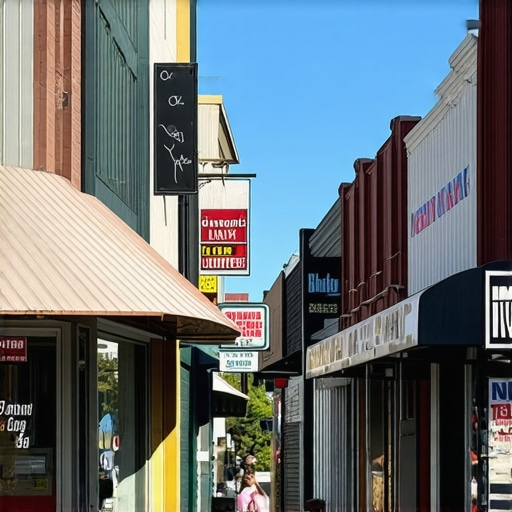
I vividly remember the first time I realized my beloved Newark small shop was falling behind in Google Maps rankings. It was a chilly winter morning, and I was scrolling through local searches for what I thought was a straightforward task—finding a trusted bakery nearby. To my shock, the big chains and national brands dominated the top spots, leaving my shop buried several pages down. That moment hit me hard. I felt like I was losing customers before even reaching their doorsteps.
My Wake-Up Call: A Small Shop Gaining Ground
Over the next few months, I dived deep into local SEO strategies, understanding that the game had changed. In 2026, the digital landscape is more competitive than ever, especially for Newark’s small businesses trying to outshine giants. But what if I told you that I managed to turn this challenge around—and you can too? Today, I want to share the insights and tactics that helped my shop rise above the chains on Google Maps and attract more local customers than ever before.
Is Local SEO Just Another Buzzword or Worth the Hype?
Early on, I made the mistake of thinking just having a Google My Business profile was enough. That naïve approach left my listing lost in the shuffle. According to recent studies, 78% of local mobile searches lead to an in-store purchase, underscoring the importance of being visible when potential customers search near you (source). The key is to optimize every aspect of your local presence because, in 2026, small shops are learning to play the game smarter—and winning.
This journey wasn’t without its pitfalls, but through trial, error, and a commitment to learning, I found that targeted strategies could meaningfully improve our rank on local maps. Are you facing the same uphill battle? If so, don’t worry—we’re about to uncover the practical steps to take your Newark shop from hidden to hero on Google Maps.
,
Optimize Your Google My Business Profile for Maximum Impact
Start by claiming and verifying your GMB listing if you haven’t already. Ensure all information is complete, accurate, and consistent with your actual business details. Use your primary keywords naturally in your business description to signal relevance to search engines. Add high-quality photos that showcase your shop’s essence, and update them regularly to keep your listing fresh. A well-optimized GMB profile acts like a magnetic sign in the digital crowd, drawing local customers directly to your door.
Inject Local Keywords into Your Website and Content
Identify specific keywords that Newark residents use when searching for your services. Incorporate these into your website’s titles, headings, and meta descriptions without overstuffing. Think of this as customizing your shop’s window display to match what local passersby are looking for. When I applied this by updating my website’s homepage with terms like “Best Newark Bakery” and “Handmade Pastries in Newark,” I saw a noticeable uptick in local traffic within weeks.
Build Citations and Local Backlinks Strategically
Secure listings on reputable local directories such as Newark Local SEO Strategies and ensure all NAP (Name, Address, Phone Number) details match your GMB info. Collaborate with local bloggers or community sites to earn backlinks. These citations are like references that vouch for your business’s authenticity, boosting your local authority and visibility.
Leverage Customer Reviews to Boost Credibility
Encourage satisfied customers to leave reviews on your GMB profile. Respond promptly and professionally to each review, especially negative ones, to demonstrate active engagement. Think of reviews as word-of-mouth digital referrals—powerful signals to both Google and prospective clients. After I streamlined our review collection process, our average star rating improved, leading to higher placement in local map packs.
Use Local Schema Markup to Signal Relevance
Implement schema markup on your website to highlight your business’s location, hours, and services. This structured data helps search engines understand your context better, making your listing more eligible for enhanced visibility features like rich snippets. It’s comparable to adding neon signs at your physical location to catch the eye of passersby—only here, you’re signaling to Google to recognize your business as a trusted local entity.
Regularly Update and Monitor Your Rankings
Use tools like Google Search Console and local SEO analytics platforms to track your progress. Adjust your strategies based on performance data—for instance, if certain keywords aren’t yielding results, tweak your content or citations. Remember, climbing the Google Maps ladder in Newark is a continuous process, not a one-time effort. I learned this the hard way when I ignored consistent updates; my rankings slipped, prompting me to implement these core techniques more diligently. For detailed insights on maps optimization, consider reviewing Master Maps Optimization and stay ahead in the local SEO game.
Why Most People Misjudge Local SEO for Newark Businesses
Many small business owners in Newark believe that simply optimizing their Google My Business listing or stacking local keywords is enough to dominate local search results. However, this oversimplification overlooks the intricate nuances that truly influence Google Maps rankings. For instance, some think that having more reviews automatically boosts visibility, but recent insights reveal that review quality and engagement matter more than quantity (source). Therefore, understanding the depth behind map rankings is essential for a sustainable strategy.
Beware of the Common Trap: Over-Optimizing for Rankings
One advanced mistake I frequently see is businesses obsessively focusing on keyword stuffing and superficial optimization without considering Google’s evolving algorithms. This approach might get temporary boosts but risks penalties or ranking drops. Google’s local algorithm prioritizes signals like user engagement, accurate NAP information, and local relevance over aggressive keyword tactics. Implementing local schema markup and maintaining consistent citations can significantly improve your position, but only if these efforts are genuine and well-integrated (see more tips here). Don’t fall into the trap of believing there’s a quick fix—long-term consistency and nuanced understanding matter more.
What Are the Advanced Factors That Influence Newark’s Map Rankings?
Beyond the basics, factors like behavioral signals—such as click-through rates, direction requests, and actual visits—play a crucial role. These are often overlooked because they rely on strategic engagement through compelling profile updates, local content, or targeted Google Ads to drive real user actions. Implementing a dynamic approach that includes regular content updates, local event participation, and review management can optimize these signals effectively. As experts suggest, a combination of precision in citations, reviews, schema, and behavioral optimization creates a robust ecosystem that Google recognizes (learn more about advanced tactics).
Have you ever fallen into this trap? Let me know in the comments.
Understanding these hidden nuances in Newark SEO isn’t just about beating the competition—it’s about building a resilient online presence that adapts to evolving algorithms and user behaviors. Stay skeptical of superficial hacks and focus on authentic, data-driven strategies to truly master the local map rankings in NJ. Your business’s visibility depends on it.

How do I keep my Newark local SEO efforts thriving over time
Maintaining your Newark SEO and maps optimization isn’t a set-it-and-forget-it task; it requires the right tools, consistent effort, and strategic adjustments. To ensure your business continues to rank high on Google Maps and local search results, I rely on a combination of specialized software and proven methodologies. One tool I swear by is BrightLocal, which provides comprehensive local SEO audits, citation tracking, and review monitoring. It helps me identify and fix inconsistencies across directories, ensuring NAP (Name, Address, Phone) data remains impeccable, aligning with local SEO best practices.
Another crucial platform I use is Google Search Console. It allows real-time tracking of your website’s performance, search queries, and indexing issues. Regularly analyzing this data helps me spot emerging problems before they impact rankings. Complementing these tools, I utilize SEMrush for competitor analysis and keyword performance insights—important for staying ahead as algorithms evolve.
Beyond software, establishing a routine for content updates and review management is vital. Google values active and current profiles, so I regularly update photos, respond to reviews, and add new local content that resonates with Newark’s community, strengthening engagement signals. As experts suggest, evolving your approach based on behavioral signals like click-through histories and directions requests is essential—these factors increasingly influence rankings (see advanced tactics here).
Looking ahead, I believe automation and AI-based analytics will play a bigger role in maintaining SEO health, helping identify optimal times for updates and content tweaks. For now, stay proactive by leveraging tools that offer actionable insights and consistently refine your local strategies. For an in-depth guide on maps maintenance, check out this powerful resource and try implementing one advanced tip today, like setting up review alerts or citation audits—you’ll be surprised how much smoother your long-term rankings become.
Uncovering Hidden Lessons That Changed the Game
One of the most eye-opening moments in my local SEO journey was realizing that focusing solely on reviews and citations isn’t enough. I learned that authentic community engagement and real-time updates hold more weight than any generic strategy. For instance, incorporating local events into my content not only boosted relevance but also built genuine relationships with Newark residents. Additionally, I discovered that over-optimizing with keywords can backfire; Google’s algorithms are smarter and prioritize user experience and engagement signals over keyword stuffing. Lastly, I found that monitoring behavioral signals like clicks and directions requested isn’t just optional—it’s essential to adapt and refine your approach continuously. These lightbulb moments taught me that sustainable success comes from authenticity, ongoing learning, and strategic patience.
My Go-To Tools and Resources for Continued Growth
To keep my Newark SEO efforts thriving, I rely heavily on BrightLocal for comprehensive citation tracking and review management—it’s my go-to for maintaining accurate business info and engaging with customers. Google Search Console provides invaluable insights into website performance and indexing issues, helping me identify areas for improvement. SEMrush keeps me competitive with competitor analysis and keyword tracking, so I stay ahead of local trends. Lastly, I follow the Newark Local SEO Strategies blog, which offers tailored insights and updates specific to our community’s evolving landscape. These tools form the backbone of my ongoing strategy, ensuring I stay proactive in a constantly changing environment.
Empower Your Business to Shine in Newark
Remember, mastering Newark SEO and Google Maps rankings isn’t a one-time effort—it’s a continuous journey of adaptation, learning, and authentic engagement. Your small shop has the potential to stand out amidst the competition, but it requires deliberate action and resilience. Take the lessons learned, leverage the right tools, and stay committed to genuine community connections. Your success story is just waiting to unfold—don’t hesitate to begin today.
What’s the biggest challenge you face in optimizing your Newark local presence? Share your experiences below—I’d love to hear your insights!