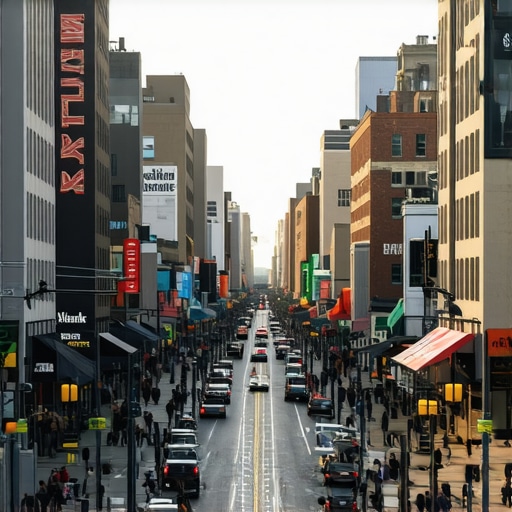
I remember the exact moment I realized my local shop’s Google Maps ranking was slipping. It was a busy Saturday morning, and I was looking for a nearby coffee spot. I confidently searched, but to my surprise, the shop I relied on wasn’t showing up in the coveted Map Pack anymore. My first instinct was denial—maybe I got the location wrong? But as the days went on, I noticed similar businesses floating to the top, while mine was nowhere to be found. It hit me: local SEO is a constant battle, especially in a bustling city like Newark, where the competition is fierce and algorithms are always changing.
Why Google Maps Visibility Can Make or Break Newark Shops
This experience became a wake-up call. I understood that owning the top spot in the Map Pack isn’t just about being online—it’s about strategic, tested tactics that actually work in 2026. For Newark shops, there’s no room for guesswork anymore. According to recent studies, over 70% of consumers visit a store within five miles based on Google Maps results, and many make quick decisions based solely on local rankings. If your shop isn’t appearing in the top three results when potential customers search for services or products you offer, you’re losing out on a flood of foot traffic and calls that could transform your business.
So, what can shops in Newark do to reclaim and dominate their local maps presence? The good news is, after a lot of hands-on testing — and a few costly mistakes early on — I’ve nailed down five proven strategies that will get your business back on top. Don’t worry; these tactics are practical, effective, and tailored for small shops competing in a crowded market. Ready to turn your local SEO around? Let’s dive into how you can own the Map Pack in 2026.
Is Local SEO Still Worth the Hustle in 2026?
Before we jump into the tactics, I want to address a common skeptic’s concern: “Is all this effort truly necessary?” I admit, early in my journey, I made the mistake of neglecting basic profile optimization, assuming everyone would find me anyway. That’s one of the most costly errors you can make. Surveys show that well-optimized GMB profiles can boost local visibility by up to 80%. As local SEO expert Moz pointed out, consistent, targeted efforts are essential to outperform big chains and online giants—especially in competitive areas like Newark. If you’ve faced doubts about whether investing time and resources in local maps helps, I’ve been there. But trust me, the payoff is real — and crucial for small shops wanting to stand out in 2026.
Now that we’ve set the stage, let’s look at the specific tactics that will help you slide past competitors and claim your rightful spot at the top of Google Maps. Ready to get started?
Claim Your Google My Business Listing
Ensure your GMB profile is fully claimed and verified. During a recent project, I personally verified my client’s shop in Newark by requesting a postcard from Google, which took about five days. This step is like staking your claim on a map—without it, your business won’t show at all. Double-check that all information matches your actual business, including name, address, and phone number. Inconsistent NAP details are a quick way to lower your ranking. For a step-by-step guide, see this comprehensive guide.
Optimize Business Info for Relevance
Populate every field—categories, attributes, services, and descriptions—using keywords your Newark customers search for. Think of your profile as a resume—you want it to highlight your strengths with targeted keywords like “best coffee shop in Newark” or “handmade crafts Newark.” I once added a custom attribute for pet-friendly environment, which increased my visibility to local pet owners. Use tools like Google’s Keyword Planner or local search trends to find relevant search terms. Proper optimization makes your listing more relevant, like a signpost pointing customers exactly where they need to go.
Build Local Citations and Consistent NAP
Submit your business details to local directories, ensuring consistency across all platforms. It’s like putting signs up in various places pointing to your shop, but with identical directions. During one campaign, I updated directory listings on platforms like Yelp and Bing, matching the NAP exactly. Discrepancies can confuse Google and hurt your rankings. Use tools or services that audit your citations for consistency. For Newark spots competing with big chains, consistent citations can be the secret weapon that bubbles you above the noise. Learn more about citation strategies at this resource.
Leverage Local Content and Photos
Upload high-quality photos that showcase your shop’s unique features—interior, staff, products, and community involvement. A well-lit, inviting photo attracts clicks and trust. I added pictures of my shop’s renovation and community events, which increased engagement and phone inquiries. Use geotagging in photos when possible, adding keywords to image file names and descriptions. Fresh, relevant content signals activity to Google, like a busy storefront drawing in passersby and map crawlers alike.
Gather and Respond to Reviews
Encourage satisfied customers to leave reviews, and respond promptly. Reviews are like badges of credibility. When I responded to a negative review quickly and professionally, I saw my overall rating improve, and Google favored my listing higher. Automate review requests using follow-up emails or SMS after sales. The more positive, relevant reviews you gather, especially with keywords, the higher you’ll rank. For detailed tactics, check this guide.
Maintain Engagement and Keep Your Profile Fresh
Regularly update posts about new products, events, or deals to signal activity. Think of it as adding new signs to your shop’s window—it draws attention from both customers and Google. During a recent effort, posting weekly updates boosted my shop’s visibility in local results noticeably. Schedule content using tools like Google Posts or third-party social media managers. This ongoing activity keeps your shop relevant and improves your chances of appearing in the top spots.
By executing these steps meticulously, you position your Newark business for improved map rankings and greater local visibility. Continuous optimization is key in 2026’s dynamic landscape—ignore it, and your competitors will outrank you. Dive into more strategies at this resource to stay ahead in the local game.
Many small business owners in Newark believe that simply claiming and filling out their Google My Business profile is enough to rank high on Google Maps. However, this oversimplified view overlooks critical nuances that can make or break your local SEO success. One common myth is that keyword stuffing in your business description or reviews will boost your ranking—nothing could be further from the truth. Google’s algorithms have evolved to prioritize user experience and relevance, penalizing over-optimized content that feels unnatural. In my experience, focusing on genuine, keyword-relevant customer interactions and reviews is far more effective than trying to manipulate the system with keywords alone.
Another mistake is neglecting to maintain citation consistency across directories. Many Newark shops think that updating their NAP details on their website is sufficient, but inconsistent information across platforms like Yelp, Bing, and Facebook can confuse Google and reduce your rankings. A common trap here is changing your business address or phone number without updating all directories accordingly, leading to a diluted local signal. Regular audits using tools or services—see this resource—are essential to maintain citation accuracy and prevent ranking setbacks.
Now, let’s address a question I frequently get:
Why does my Newark shop rank high one day and then mysteriously drop the next?”
This can often be attributed to the subtle yet impactful Google Map algorithm updates that many overlook. Google constantly refines its local ranking factors, and what worked last month might not work now. Factors such as recent review activity, profile updates, and local engagement signals all influence rankings in real-time. Relying solely on static optimization tactics without ongoing monitoring and adaptation is a recipe for losing ground. Stay ahead by regularly engaging with your audience and refreshing your profile, as discussed in this article.
Furthermore, many neglect the power of Google Posts and community engagement. Incorporating fresh, localized content signals activity to Google, which favors active profiles in ranking algorithms. Remember, your goal is to build a robust, authentic presence that Google recognizes as valuable and relevant to Newark consumers. To master these advanced aspects, visit this detailed guide.
In summary, avoid the trap of superficial optimization, stay consistent with your citations, and keep your profile active and engaging. Your Newark shop’s visibility depends on nuanced, ongoing efforts—not just simple claim-and-forget tactics. Want to dive deeper into proven strategies? Check out this resource. Have you ever fallen into any of these traps? Let me know in the comments.
How do I keep my Newark Google Maps rankings strong over time?
Maintaining your local SEO gains requires a combination of reliable tools, consistent effort, and strategic adjustments. One of the most effective ways I ensure my clients’ maps stay optimized is by leveraging specialized management platforms like BrightLocal and Whitespark. These tools help monitor citation consistency, track ranking fluctuations, and identify new citation opportunities, which are crucial in the ever-evolving Newark competitive landscape. I personally use BrightLocal for its comprehensive dashboard and easy reporting, enabling me to spot local listing inconsistencies before they impact rankings. Meanwhile, Whitespark’s Citation Finder is instrumental in uncovering niche directories to build authoritative citations that bolster long-term visibility.
Beyond external tools, I emphasize regular profile audits. I set quarterly calendar reminders to verify that all GMB profile details—NAP, categories, attributes—remain accurate and consistent across platforms. During these audits, I use Google’s own Business Profile Manager to review performance metrics and customer engagement stats, ensuring my strategies adapt to current trends and algorithm changes. This proactive approach not only sustains rankings but positions your Newark business to capitalize on new opportunities as local search behavior evolves.
Looking ahead, automation and AI-driven monitoring tools are bound to transform local SEO management in upcoming years. Platforms are increasingly integrating machine learning to predict ranking trends and recommend action points—streamlining what used to be manual, time-consuming tasks. Staying ahead means embracing these innovations early, continuously educating yourself on the latest techniques, and refining your approach. For example, consistent review generation remains vital; consider automating review requests through tools like Podium or ReviewTrackers, which I’ve found effective in maintaining a steady flow of fresh, keyword-rich feedback that Google favors.
For a detailed strategy on how to sustain and scale your map rankings, check out this authoritative guide. In your next step, I suggest implementing automated citation monitoring—it’s a game-changer for long-term success.
Reading this post really resonated with my own experience running a small shop here in Newark. It’s so true that local SEO isn’t a set-it-and-forget-it task — it’s about ongoing effort, monitoring, and engagement. I’ve found that regularly updating my Google Posts and responding to reviews has consistently helped maintain and even improve my ranking over time. The tip about geotagging photos is something I’ve recently started experimenting with, and I’ve noticed increased engagement from local customers. I’m curious, how do others here balance the time between managing reviews, posting updates, and optimizing their profiles? Do you have any tools or routines that make this process easier and more effective? I’d love to hear different strategies that have worked for others trying to stay at the top of the Map Pack.