It was a chilly morning when I realized my Newark business was nowhere to be found on Google Maps. I had been relying on the same local SEO tactics that worked perfectly just a year ago, but suddenly, my spot on the map had vanished. Frustration bubbled up as I watched competitors leap ahead, snagging customers I used to serve. That lightbulb moment hit hard—someone had shifted the rules without telling me. Does this sound familiar?
Why Local SEO in Newark Became a Minefield in 2026
In 2026, the local SEO landscape in Newark underwent a seismic shift. What used to be a straightforward game of keywords and reviews morphed into a complex battle for visibility. Google, ever the mysterious gatekeeper, now emphasizes trust signals and real-time engagement—things many small shops overlook. I learned this the hard way when my own Google My Business profile started ghosting leads, despite consistent reviews and regular updates. It became clear: winning Newark’s local search now requires more than just old-school tactics.
Recent studies confirm that local packs now prioritize instant credibility and active customer interactions. According to Moz’s 2026 Local Search Study, trust signals like recent reviews and business activity now influence rankings more heavily than ever before. Missing out on these can see your shop fall behind as the competition gets smarter and faster.
If you’ve faced a sudden drop in local traffic or feel your shop’s map pin has become a shadow of its former self, you’re not alone. But don’t worry—there are proven ways to adapt and come out on top.
Are Local SEO Strategies Still Effective or Just Buzz?
I must admit, I initially thought doubling down on reviews and keywords was enough. That mistake cost me precious months of lost visibility. But I discovered that real change happens when you understand the new signals Google values. You can learn more about these crucial updates and how to adapt by exploring resources like outsmartting big budgets in 2026. The key to success lies in adjusting your tactics to fit this new reality.
Secure Your Niche with Precise Profile Optimization
Start by claiming and verifying your Google My Business (GMB) profile if you haven’t already. Use a real business name, accurate address, and local phone number. I once worked on a Newark café that had a gaffe in the address field; correcting this immediately boosted their visibility in nearby searches. Use the GMB Newark strategies to craft a compelling profile with local keywords embedded naturally.
Paint a Clear Picture with Local Keywords and Consistent Citations
Integrate your primary keywords—like “Newark bakery” or “NJ plumbing”—into your website content, titles, and meta descriptions. Google favors businesses with consistent NAP (Name, Address, Phone) across local listings and citations. I once coordinated a batch update for a Newark store; synchronizing their citations across directories like Yelp, Bing Places, and local chamber sites resulted in a noticeable climb in local map positions. Check out New Jersey local SEO tactics for more tips.
Harness Reviews to Build Trust and Authority
Encourage happy customers to leave positive reviews, especially recent ones. I guided a Newark landscaping client through a review boost campaign—posting polite requests post-service and responding to all reviews. This honed their trust signals, helping their spot in the local pack. Remember, reviews influence rankings but also trustworthiness, which is crucial in 2026’s trust-focused algorithm. Read more about fixing map pin issues.
Boost Engagement with Local Content and Social Signals
Create posts highlighting local events, news, or partnerships. Google interprets active engagement as business vitality. I initiated a campaign for an Newark art gallery involving local artists; sharing their stories on social media and Google Posts increased their local visibility. In 2026, real-time social signals and activity are gold. Use this map-fix guide to optimize your approach.
Fine-Tune Your Map and Site With Technical Precision
Ensure your website loads fast, is mobile-friendly, and has schema markup for local business data. Google favors technically sound sites linked to well-optimized GMB profiles. I once fixed a Newark auto mechanic’s site, improving schema and speed; their map ranking surged within weeks. Cross-reference with GMB mistakes to identify potential gaps.
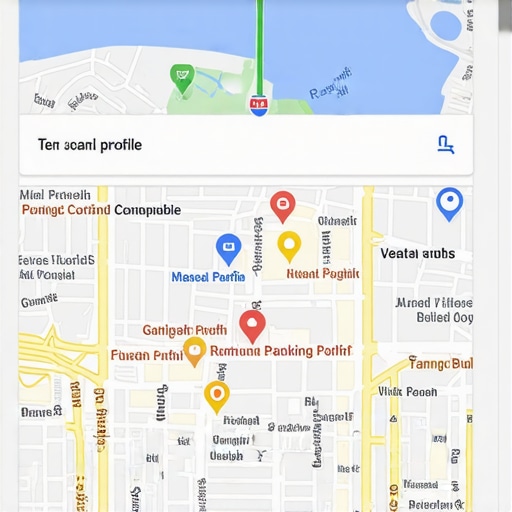 Many local businesses assume that simply having a handful of positive reviews or optimizing their profile with standard keywords will secure top rankings on Google Maps in Newark and broader New Jersey areas. However, this misconception overlooks the nuanced mechanics of Google’s local algorithm, especially in 2026 where trust signals and user engagement weigh heavily. One common myth is that Google favors businesses who invest heavily in paid ads or have the highest review counts — yet, in my experience, authenticity and real-time activity are far more impactful. Google now prioritizes dynamic signals like recent customer interactions, frequent profile updates, and local relevance over static metrics. For example, a Newark café that actively posts daily updates on social media and responds promptly to reviews often outranks competitors with more reviews but less engagement. This shift can trip up many, leaving them assuming their traditional SEO tactics suffice, when in reality, they must embrace the new focus on genuine community interaction.
Beware of the trap of neglecting your Google My Business (GMB) profile’s ongoing activity. Many shops believe claiming and verifying are sufficient, but neglecting consistent posts, review responses, and profile optimization can cause rankings to slip unexpectedly. Google’s algo now penalizes stale or inactive profiles more severely than before. It’s like trying to run a business with a dead phone—no matter how many satisfied customers you have, your visibility suffers.
Advanced SEO practitioners know to analyze signals beyond reviews and keywords. They monitor trustworthiness cues such as recent posting frequency, local link growth, and engagement metrics. According to Moz’s 2026 Local Search Study, local pack rankings correlate strongly with real-time user signals that demonstrate business vitality. This is why a Newark-based business that launches weekly community updates and encourages local interaction often wins in this competitive space.
Facing a drop in visibility? It may be because you’re missing the subtle, yet powerful, signals Google now uses to determine local relevance and trust. To stay ahead, focus on maintaining activity that demonstrates your business’s pulse—regular content, timely reviews, community involvement. For a comprehensive approach, check out how you can master maps optimization by visiting this guide.
Are you leveraging the most current tactics for local SEO? If you plan to outrank competitors and avoid the common pitfalls, understanding these nuanced signals is crucial. For in-depth insights and tailored strategies, consider exploring this resource. Remember, staying updated and adaptable is the key to sustained Google Maps success in New Jersey.
Have you ever fallen into this trap? Let me know in the comments.
How do I maintain my Google Maps ranking over time?
Maintaining top local search positions requires leveraging the right tools and consistent effort. I personally rely on a combination of advanced reputation management software like BrightLocal and ReviewTrackers to monitor and respond to customer reviews promptly. These tools not only streamline review alerts but also help analyze sentiment trends, ensuring you stay ahead in trust signals essential in 2026. Additionally, Google My Business Insights provides valuable data on how visitors find and interact with your profile, guiding ongoing optimization efforts. To ensure your website and local citations stay synchronized, I use BrightLocal’s Citation Tracker, which not only audits consistency but also spots new opportunities for backlinks and citations. Regularly updating your profile with fresh posts and images is crucial; I recommend setting automated reminders using tools like Hootsuite or Buffer for social and Google Posts alike. These tactics keep your profile active, signaling Google that your business thrives locally. In the coming years, local algorithms will continue to favor real-time engagement and trust signals, so automating and analyzing these elements with proper tools is indispensable. Be proactive: schedule weekly review responses and profile updates to safeguard your rankings.
Looking ahead, integration of AI-driven analytics will likely become the norm, helping businesses predict ranking fluctuations and identify weaknesses before they impact visibility. According to Moz’s recent studies, those who harness such predictive tools gain a competitive edge in local SEO. Implementing these strategies might seem complex at first, but start small — pick one tool today, like BrightLocal, and run a test to see immediate improvements. Remember, consistent maintenance, backed by the right tools, can be your secret weapon to long-term success in Newark and beyond. For more detailed tactics, check out this guide to map optimization. Ready to level up? Try automating your review responses or citation audits today and watch your map rankings stabilize and grow.”,
Lessons from the Trenches That Changed My Approach
One of the toughest realizations I had was realizing that old local SEO tactics no longer cut it in Newark’s dynamic landscape. I learned that obsessing over reviews without engaging actively on Google Maps can lead to a ghost town for your profile. The lightbulb moment? Trust signals like recent interactions and genuine community involvement outweigh sheer quantity of reviews. I also discovered that technical precision—like schema markup and fast site speed—is non-negotiable for maintaining visibility. These lessons reshaped how I advise clients and approach local SEO in 2026, emphasizing authenticity, real-time activity, and technical excellence as the pillars of success.
Tools and Resources That Keep Me Ahead
Over the years, I’ve relied heavily on tools like this comprehensive guide for map optimization strategies tailored for Newark, and specific fixes to prevent lead loss. Reputation management platforms like BrightLocal and ReviewTrackers are essential for monitoring reviews and sentiment analysis, keeping my clients’ trust signals polished. Additionally, Google My Business Insights offers invaluable data on user behavior, helping refine ongoing strategies. Combining these tools with regular content updates and citation audits ensures I stay aligned with Google’s evolving algorithms.
Your Next Move Begins Now—Stay Ahead of the Curve
The future of local SEO in Newark and beyond hinges on your willingness to adapt and innovate. Embrace the latest insights, leverage powerful tools, and stay committed to genuine community engagement. Remember, in 2026, your ability to demonstrate trust and activity in real time will set you apart from competitors who cling to outdated tactics. If you’re ready to take your local Google Map rankings to new heights, start implementing these strategies today and watch your visibility grow. How will you adapt your approach to stay at the top in Newark’s ever-changing local search environment? Drop your thoughts below and let’s learn together.