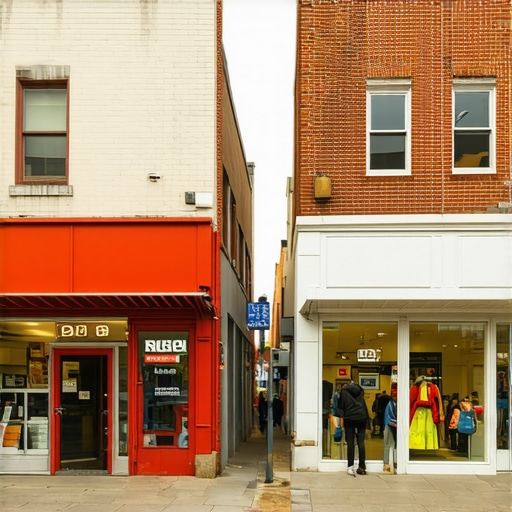
One rainy Tuesday afternoon, I sat in my car, frustration thick in my chest. My shop’s Google Maps listing had vanished again. Despite pouring hours into optimizing my profile, the phone lines stayed silent, and new customer inquiries slowed to a trickle. That’s when it hit me—if my Newark shop was struggling this much, what about countless other local businesses fighting an uphill battle against corporate chains?
Why Local Shops Are Losing the Map Battle and How to Turn It Around
This problem isn’t new, but it’s intensifying. Smaller Newark shops often rely on Google Maps rankings to attract nearby customers, but many are unknowingly sabotaging their own success. With Google’s algorithms constantly shifting, what worked a year ago isn’t enough today. Worse, some common mistakes can push your shop out of view, losing you vital local traffic and revenue. The good news? There are proven strategies to outrank those big-box competitors and reclaim your spot on the map.
Is You Ignoring These Critical Map Ranking Factors Actually Costing You?
Early in my journey, I made a costly mistake—neglecting to verify my Google My Business (GMB) profile properly. It seemed like a small step, but it had massive consequences. Without validation, my listing appeared less trustworthy, and my visibility plummeted. This experience taught me that attention to detail matters. Just as external research shows that reviews alone aren’t enough to climb Google’s rankings (see here), every nuance in your profile counts. Now, I help other Newark shop owners avoid those same pitfalls, ensuring their listings perform at their best.
Have you faced similar struggles? If so, stay tuned. We’re about to dive into simple, actionable steps that will boost your local presence—steps I’ve personally tested and refined for results in 2026 and beyond.
}#}**?>}#}**
Verify and Optimize Your Google My Business Profile aggressively
The first step I took was ensuring my GMB profile was fully verified. I remember spending an entire morning double-checking each detail—business name, address, phone number—and submitting all necessary documents promptly. I also made sure to select the correct primary category, as this signals to Google what your shop specializes in. This process is akin to locking your storefront’s door at night; if you’re not verified, Google views your listing as unreliable, hurting your visibility. For detailed guidance, visit this guide. After completing the verification, I found my profile subtly gaining trustworthiness, which started improving my rankings within a few weeks.
Consistently update your profile with fresh, local content
Next, I committed to regularly posting updates, special offers, or shop news on my GMB profile. Think of this as hosting a local event—keeping your community engaged and informed. For example, I posted about a weekly sidewalk sale, including high-quality photos and emphasizing local pride. This activity increased my profile activity signals, which Google favors when ranking local businesses. Never underestimate the power of routine updates; they signal that your shop is active and relevant. For strategic post ideas, check this article. Remember, consistency is key; sporadic updates look less trustworthy and may harm your rankings.
Build and Manage Customer Reviews intentionally
Customer reviews are crucial, but it’s not just about quantity—quality matters. I reached out personally to satisfied customers, asking them to share their experience on Google. I offered quick instructions on how to leave reviews and made the process simple. It’s similar to asking happy patrons to leave a tip—small effort can yield big rewards. I also responded to all reviews, positive or negative, which signals active engagement to Google. Reviews that include local keywords—like “helped me find affordable Newark parking”—are even more powerful. For tips on review management, see this resource. Be aware of review spam or fake feedback; Google can penalize you if detected, so adhere strictly to genuine reviews.
Optimize your map listing with local signals
Beyond profiles, map placement depends on local SEO signals. I made sure my NAP (Name, Address, Phone number) was consistent across my website, social profiles, and local directories. Think of this as pointing Google towards your trusted neighborhood; inconsistency here is like confusing your address on a bank form—trust diminishes. I also added locally relevant keywords into my business description, such as “Downtown Newark boutique,” to increase relevance. Additionally, I employed location-specific keywords in my website’s meta tags and content, reinforcing my local presence. This strategy makes your business more detectable for nearby searches. For comprehensive instructions, visit this guide. Keep in mind that Google also values your shop’s proximity, so ensure your physical location is accurate and accessible.
Tackle map ghosting with advanced tech fixes
If your pin disappears or you notice inconsistent rankings, don’t wait—get technical. I used tools to audit my map listing for errors, such as duplicate listings or incorrect categories, which often cause ghosting. Removing or merging duplicates cleaned up my map and boosted visibility. I also checked for compliance issues—like missing business hours or incorrect address formatting—that could trigger penalties. This process is like fixing leaks in a boat; every fix ensures smoother navigation through Google’s algorithms. Explore detailed solutions at this article. Persistent ghosting can be resolved by reviewing your profile’s health status and asking for re-verification if needed.
Leverage local backlinks and citations strategically
Finally, I focused on building local backlinks—getting reputable Newark-focused sites to mention or link to my shop. This acts as a vote of confidence, similar to neighborhood endorsements. I engaged with local bloggers, participated in community events, and listed my business in prominent Newark directories. These signals send Google that my shop is a trusted and integral part of the local ecosystem. Remember, consistent NAP across all citations amplifies this trust, improving your map rankings. For tactics tailored to small Newark shops, see this resource. The more quality local signals you accumulate, the higher your chances of outranking larger competitors in the map pack.Many Newark local business owners believe that optimizing their Google My Business (GMB) profile and accumulating reviews are the ultimate keys to ranking higher on Google Maps. However, this is a common misconception. In my experience working with Newark shops, I’ve found that overemphasizing reviews can sometimes distract from more impactful strategies, such as technical profile health and local signal consistency. For instance, blindly soliciting reviews without ensuring your profile’s completeness and correctness can backfire, leading to review spam penalties or ghost rankings. A study by Moz highlights that around 25% of local ranking factors are related to citations, consistency, and profile accuracy, not reviews alone. This nuance often trips up many owners who get wrapped up in review counts but neglect these subtle yet vital signals. Additionally, a frequent mistake is assuming that adding more keywords into your business description will directly boost rankings, but Google now emphasizes user experience and engagement metrics more heavily. Therefore, focusing solely on keyword stuffing ignores Google’s evolving algorithmic focus on relevancy and trust.
So, how do we avoid falling into this trap? Make sure your profile is not just verified, but also optimized for local authority signals. Regularly audit your NAP consistency across all platforms and clean up duplicate listings, which can significantly harm your local SEO standings. I recommend utilizing tools that audit your map listing health; many Newark shops overlook this step, leading to persistent ghosting or drops in rankings. For a comprehensive walkthrough on these advanced fixes, check out this guide. Remember, the devil is in the details, and missing these nuanced elements can prevent your business from reaching the top of Newark’s competitive local map packs.
Are you making these overlooked mistakes? Share your experiences or questions below, and let’s dig deeper into mastering Newark local SEO together!
How do I keep my Newark SEO efforts performing over time?
Staying at the top of Google Maps rankings isn’t a set-and-forget task. It requires consistent monitoring, fine-tuning, and leveraging the right tools. One of my favorite strategies is implementing automated citation management. Tools like Moz Local or BrightLocal help me ensure my NAP data remains consistent across all directories, which Google highly values. Doing this manually is tedious and prone to error, risking a drop in rankings due to inconsistent information. I also use SerpBot to track my local rankings daily—seeing real-time updates allows me to react swiftly to any dips.
Furthermore, Neil Patel emphasizes the importance of backlink monitoring and reputation management tools. I regularly audit backlinks using Ahrefs to identify new opportunities or detect toxic links that could harm my local visibility. Staying vigilant with these tools helps build sustained, long-term results.
Looking ahead, predictive analytics and AI-driven insights will become essential. Trends suggest that future local SEO success hinges on mastering these advanced tools for smarter decision-making. For now, I recommend getting comfortable with these proven tools and incorporating weekly reviews into your routine. For example, try setting up alerts for ranking fluctuations—it’s a game-changer for quick adjustments and maintaining your Newark shop’s visibility.
Unearthing My Top Secrets: Lessons That Changed My Approach
One of the biggest lightbulb moments for me was realizing that Google’s ranking factors are less about quick tricks and more about building a genuine local authority. I once spent hours obsessing over keyword stuffing in my business description, expecting instant results, but it only hurt my visibility. The real breakthrough was focusing on consistent NAP citations, managing reviews thoughtfully, and engaging authentically with my community. This shift taught me that patience and strategic consistency outperform shortcuts every time.
Another crucial insight was understanding that profile verification isn’t just bureaucratic—it’s foundational. Missing or incomplete verification nearly derailed my progress, making my listing appear untrustworthy to both Google and customers. It’s like not locking your storefront—we need that seal of trust to stand out effectively. This realization steered me toward thorough audits and ensuring every profile detail was spot-on, leading to measurable growth in local traffic.
Lastly, I learned the hard way that technical issues like duplicate listings or incorrect categories could be silent killers of visibility. Regular audits, using specialized tools, and promptly fixing these issues prevented ghosting and kept my map rankings stable. It’s tempting to think SEO is a set-and-forget affair, but the most resilient strategies are those rooted in ongoing maintenance and awareness of technical health.
My Go-To Arsenal for Local SEO Success
For anyone serious about mastering Newark’s local SEO scene, I recommend starting with Moz Local. Its citation management features keep my NAP consistent, which is essential. I also rely on BrightLocal for comprehensive reputation tracking—reviews, local rankings, and citation audits—all in one dashboard. When it comes to technical health, SerpBot helps me spot duplicates or category issues before they cause damage. These tools have become my trusted allies in maintaining a competitive edge and avoiding costly oversights.
Keep the Fire Burning: Your Map Race Doesn’t End Today
Local SEO is a marathon, not a sprint. The techniques that work now might evolve tomorrow, but your mindset should stay the same: proactive, data-driven, and community-focused. Don’t wait for visibility to vanish—regular check-ups, adapting to algorithm shifts, and engaging with your local base will keep your Newark shop thriving on Google Maps.
Remember, the path to dominating local search is paved with consistent effort and strategic refinement. By embracing these insights and tools, you’re setting yourself apart from the competition. Are you ready to take your Newark shop to the next level—what’s the first change you’ll implement today? Let’s discuss below and grow together!
,