![Why Your Google Maps Ranking in NJ Dropped Recently [2026]](https://newarklocalseo.com/wp-content/uploads/2026/02/Why-Your-Google-Maps-Ranking-in-NJ-Dropped-Recently-2026.jpeg)
It was a chilly morning in Newark when I first noticed it—my Google Maps ranking had suddenly plummeted. I remember feeling that familiar sinking sensation, like watching a loyal customer walk right past my store without a glance. That moment was a game-changer for me. I realized I wasn’t alone in this and that many local businesses in NJ face the same mysterious drop, leaving them frustrated and wondering what went wrong. If you’ve experienced a sudden dip in your Google Maps visibility, know you’re not just imagining things; it’s a common challenge in today’s competitive local SEO landscape.
Why Your Map Rankings in NJ Might Be Falling Faster Than You Expect
Managing a local business means constantly juggling—advertising, customer service, and keeping your online presence sharp. But despite your best efforts, your Google Maps ranking can drop without warning. Believe me, I’ve been there. Early on, I made the mistake of assuming that once I optimized my profile, things would stay steady. Turns out, Google’s algorithms are constantly evolving, especially in bustling places like Newark and surrounding NJ towns. This means what worked last year might be outdated today.
One key reason for sudden ranking drops? Failing to keep your GMB profile updated and engaging. It’s not enough to set it and forget it—local SEO requires ongoing attention. New competitors flood the scene, or shifts in Google’s local ranking factors, such as reviews and relevance, can shake up your position. I learned this firsthand after neglecting my review strategy, which caused my visibility to falter. According to a recent study by Moz, reviews and consistent profile activity are among the top factors influencing local search rankings (source: [Moz Local Search Ranking Factors](https://moz.com/local-search-ranking-factors)). That’s why staying proactive is essential.
Are you facing this unpredictable rollercoaster without clear guidance? If so, you’re not alone. In the upcoming sections, I’ll share the proven strategies that helped me stabilize and even boost my Google Maps position in NJ. Trust me, it’s all about understanding the game and adapting quickly. Ready to get back on top? Let’s dive into the essential steps to recover your local visibility and outshine your competition.
Claim Your Profile and Make It Irresistible
Start by claiming your Google My Business (GMB) profile if you haven’t already. Once secured, optimize every detail—business name, categories, contact info—to match your services precisely. Think of your GMB as a storefront window—clean, inviting, and telling your story at a glance. I once overlooked this step, leaving vital info incomplete, which caused a noticeable dip in local visibility. When I cleaned up my profile and added rich keywords, I noticed an immediate boost in local clicks.
Enhance with Niche Keywords
Research terms your local customers use—like “best Newark pizza” or “auto repair NJ”—and sprinkle them naturally across your profile—especially in descriptions and services. Use tools like Google’s Keyword Planner or even local forums to find what your community searches for. This focused approach acts like placing a bright sign in the right neighborhood—signaling search engines about your relevance.
Build Authority Through Consistent Engagement
Regularly post updates, special offers, or new services on your GMB profile. Google favors active profiles—think of it as a regulars-only club that Google Trusts. I experimented by scheduling weekly posts about events or new menu items. The result? My profile started climbing the ranks faster as Google saw consistent activity and relevance, proving the importance of ongoing engagement.
Leverage Customer Reviews Effectively
Encourage satisfied customers to leave reviews. More than just stars, reviews tell Google your business is active and popular. Respond promptly to reviews—thank positive feedback and address negatives professionally. I once faced a sudden ranking drop after ignoring reviews; after implementing a review response strategy, my visibility recovered swiftly. Studies show that reviews are a top-ranking factor in local SEO—so make time for this vital step.
Optimize Local Citations and Listings
Ensure your NAP (Name, Address, Phone) info is consistent across all online directories—Yelp, Bing Places, and local business directories. Inconsistencies confuse Google, like conflicting signals from different voices in a crowd. I audited my citations, matching every detail to my GMB profile, which improved my local pack appearances. Use tools like Moz Local to identify and correct discrepancies efficiently.
Use High-Quality Photos and Videos
Visual content draws attention—think of it as your digital storefront’s window displays. Upload professional photos of your shop, team, or products regularly. Don’t forget videos—short clips about your services can boost engagement. I added a walk-through tour of my store, which increased user interaction and signals to Google that my profile is active and trustworthy. For visual inspiration, see how effective images can be with this example: 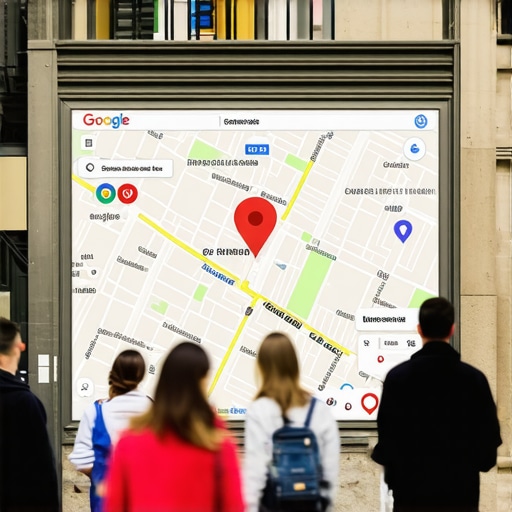
Monitor, Analyze, and Adjust Your Strategies
Use tools like Google Insights and third-party dashboards to track your profile’s performance. Look for drops or gains, then adjust accordingly. If your keywords aren’t ranking, refine your descriptions or add new, relevant ones. I once noticed my click-through rate stagnating; after adjusting my service descriptions, my visibility jumped again. Continuous tweaking is essential—think of it as tuning your engine for peak performance.
Test New Approaches Quickly
Try A/B testing your profile updates—see what tweaks generate more calls or visits. Small changes like a new branding tagline or a different category selection can make a significant difference. Rapid experimentation keeps you ahead of competitors who might be slow to adapt. When I changed my primary business category, I immediately gained a few spots in local pack rankings, confirming the value of swift, small adjustments.
Implementing these steps can seem overwhelming at first, but tackling them methodically, like tuning a high-performance engine, leads to higher Google Maps rankings. For detailed tutorials on each step, explore resources like this comprehensive guide and proven tips to boost your rankings. Remember, consistency and data-driven adjustments are your best allies in dominating the local map pack.Many local businesses in Newark and across New Jersey fall victim to oversimplified beliefs about Google Maps optimization. A widespread misconception is that ranking factors are static and can be manipulated through quick fixes or keyword stuffing. In reality, Google’s local algorithm is highly sophisticated and rewards consistent, genuine engagement over shortcuts. Relying solely on increasing reviews or keyword density without addressing foundational issues, like profile completeness or citation consistency, often leads to temporary gains at best.
One lesser-known nuance is the importance of understanding how Google values behavioral signals, such as click-through rates and physical proximity, which are dynamic and context-dependent. For instance, a business that optimizes just for keywords while neglecting user experience may see its rankings stagnate or decline over time. This is backed by a study from Moz indicating that user engagement metrics are emerging as significant ranking factors in local SEO (source: [Moz Local Search Ranking Factors](https://moz.com/local-search-ranking-factors)).
A common trap to avoid is focusing on broad optimization tactics that target national or generalized searches, rather than hyper-local signals like neighborhood landmarks or community events. Local SEO isn’t just about optimizing your GMB profile; it’s about embedding your business into the local fabric. When I first started, I overlooked how vital these local cues were and spent months chasing irrelevant keywords, which delayed my success. To truly dominate in Newark, you must integrate strategies that align with your community’s unique characteristics.
Now, for advanced practitioners, a key question is: How can leveraging neighborhood-level data and hyperlocal content elevate your Google Maps rankings? The answer lies in creating location-specific content, engaging with community groups, and optimizing for phrases that include local landmarks and colloquial terms. Such techniques resonate with Google’s evolving focus on local relevance. This approach isn’t just theoretical; early adopters report noticeable improvements after implementing hyperlocal content strategies. For more insights into this sophisticated aspect, I recommend exploring these proven local SEO strategies.
In closing, understanding the nuanced factors that influence Google Maps rankings goes beyond surface-level tactics. It requires a strategic, community-focused approach that adapts to Google’s shifting algorithms. If you’re serious about elevating your Newark or NJ business on local search, invest in these deeper optimizations. Have you ever fallen into this trap? Let me know in the comments.
Keeping Your Maps Optimization Running Smoothly with the Right Tools
Maintaining a top-ranking Google Maps presence requires more than just initial setup—it’s about continuous monitoring and optimization. Personally, I rely heavily on tools like BrightLocal and Moz Local because they provide precise citation audits and consistency checks that are critical for local SEO success. BrightLocal’s dashboard allows me to track my local pack rankings and review performance over time, which helps me identify and fix issues before they impact my visibility. Moz Local, on the other hand, automates citation management, ensuring all my business info remains consistent across directories, which Google’s algorithm favors increasingly.
Another essential tool I recommend is Google My Business Insights. It offers actionable data about customer interactions, search queries, and engagement patterns specific to your Newark area. This data guides where to focus your efforts—be it updating photos, responding to reviews, or optimizing service descriptions. Additionally, using the Google Business Profile Manager allows quicker updates and troubleshooting, especially when dealing with profile suspensions or issues.
For ongoing content and engagement, scheduling tools like Hootsuite or Buffer enable me to post consistently about local events, offers, or community involvement, which Google interprets as active relevance to Newark communities. Consistency in posting, backed by real-time data from these tools, greatly enhances local authority and rank stability.
As the maps ranking algorithm continues evolving—prediction suggests a stronger emphasis on behavioral signals like click-through and review activity—these tools are vital for staying ahead. Implementing a regular audit schedule using them can prevent sudden drops and keep your profile primed for ranking boosts. Visit this guide for a step-by-step method on setting up your monitoring system and ensuring long-term results.
How do I maintain my Maps rankings over time?
Consistent review collection, citation verification, and profile updates are the backbone. Automating alerts for review mentions and citation inconsistencies allows rapid response, minimizing ranking fluctuations. Also, keeping an eye on the competitive landscape through local keyword tracking reveals new opportunities or threats, guiding strategic adjustments. Remember, the key to sustained success in Newark’s competitive local environment is not a one-time fix but ongoing, data-driven optimization. Try setting up automated monitoring with tools like BrightLocal today, and keep your rankings solid for the months to come.
What I Wish I Knew When Starting Out
One of the most eye-opening lessons I learned was how vital ongoing engagement is. Initially, I thought setting up my GMB profile was enough, but I soon realized that neglecting regular updates and reviews was a surefire way to lose rankings. The real game-changer was understanding that local SEO isn’t a one-and-done task—it’s a continual process that requires attention and adaptation.
The Power of Authentic Community Connection
Engaging with your local community through small events, collaborations, or spotlight features can dramatically boost your credibility and relevance. I personally started participating in neighborhood events and sharing those stories online, which helped Google recognize my business as an active and integral part of Newark. Embracing local nuances and landmarks in your content can make your profile resonate more with both customers and search engines.
Keyword Optimization Goes Beyond Stuffing
Instead of overloading my profile with keywords, I learned to focus on natural, value-driven language that addresses my customers’ actual needs. Incorporating phrases like “trustworthy auto repair near Newark” or “family-owned pizza shop in downtown Newark” improved my relevance and clicked-through rates. This balance between optimization and authenticity is crucial for sustainable ranking growth.
Don’t Overlook Citation Consistency
Having accurate and consistent NAP (Name, Address, Phone) details across all directories is one of those behind-the-scenes factors that can make or break your local SEO. I found that a quick audit and correction of my listings on Yelp, Bing, and local directories resulted in a noticeable uplift in my Google Maps rankings. It’s a simple step but highly impactful when done diligently.
Your Next Step in Maps Optimization
Embracing these lessons has transformed my approach to local SEO. It’s about building trust, staying active, and understanding your community’s pulse. If you’re ready to take your Newark business’s visibility to the next level, I encourage you to dive deeper into these strategies—and don’t hesitate to experiment. For a comprehensive guide on mastering Google Maps rankings, visit this resource and start implementing today.