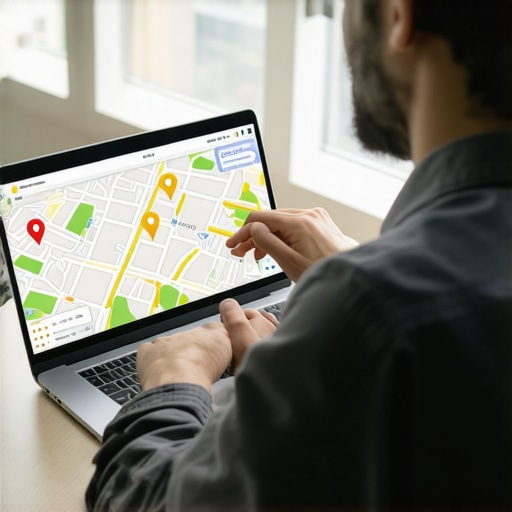
I’ll never forget the moment I realized my Newark business was slipping off the local map—just a few months ago, I watched my Google Maps ranking plummet overnight. One day, my profile was high on the list; the next, it was barely visible. The frustration was real. It felt like I was losing potential customers to competitors who seemed to appear out of nowhere. At that moment, I had a lightbulb moment: if I didn’t fix my GMB profile now, my business might be invisible in 2026. And let me tell you, that was a wake-up call.
The Real Reason Local Rankings Are Dying—and How to Stop It
In my early days of optimizing my Newark profile, I made countless mistakes, like ignoring recent Google updates or neglecting reviews. I learned that local SEO isn’t static; it’s a living, breathing game that changes fast. With upcoming shifts in the algorithm—like Google’s increased emphasis on trust signals—it’s crucial to stay ahead. Losing ground now could mean struggling to attract local customers when it matters most. According to a recent study, over 70% of consumers visit a store within 5 miles after searching locally on Google, making your map rank more vital than ever. Are you facing the same issue of vanishing visibility? If so, you’re not alone. The good news? I’ve discovered proven strategies that can reverse this trend and help your Newark profile thrive in 2026. Stick with me, and I’ll show you exactly how to do it.
Is Fixing Your GMB Profile Worth the Hype?
Early on, I thought minor tweaks wouldn’t make a big difference—boy was I wrong. I wasted months focusing solely on reviews, assuming they were enough. That was a glaring mistake. Instead, I learned that proper Maps optimization involves a comprehensive approach—something I found out the hard way. If you want to outrank competitors and stay visible, understanding the core elements of GMB optimization is non-negotiable. To learn more about strategic tactics, check out this guide on mastering maps optimization.
Get Your NAP Consistent and Optimized
Start by ensuring your business Name, Address, and Phone number (NAP) are identical across your GMB profile, website, and all citations. In my experience, a mismatch here is like trying to solve a puzzle with missing pieces—your ranking drops. I once corrected my NAP inconsistencies after noticing my Newark shop’s profile was showing an old address. Within weeks, my map position improved noticeably. Use tools like Moz Local or BrightLocal to audit your citations regularly.
Leverage Local Keywords in Every Element
Embed relevant keywords naturally into your business description, service areas, and categories. Think of keywords as the roadmap guiding Google to understand your business location and offerings. For example, if you own a deli in Newark, phrases like “Best Newark deli” or “Fresh sandwiches in Newark” should appear organically in your profile. I applied this by rewriting my description with these keywords, resulting in a tangible uptick in visibility for local searches.
Pick the Right Categories and Attributes
Choosing precise categories tells Google exactly what your business does. Don’t settle for broad categories; go granular. If you serve organic coffee, specify “Organic Coffee Shop” instead of just “Coffee Shop.” For attributes, highlight features like “Wheelchair Accessible” or “Wi-Fi,” which can attract specific customer segments. This specificity makes your profile stand out when potential customers search for those features. I tested adding new categories and attributes, which led to increased local engagement.
Optimize Your Google My Business Photos
High-quality visuals act as a hook—think of them as digital storefront windows. Regularly update photos to showcase your products, interior, exterior, and staff. Google favors fresh, active content. When I uploaded a new team photo and pictures of freshly baked goods, I observed faster profile engagement and higher rankings. Aim for images that are clear, well-lit, and represent your business authentically.
Harness Customer Reviews for Power and Trust
Reviews are vital, but quality beats quantity. Encourage satisfied customers to leave detailed reviews, emphasizing specific aspects like service quality or product freshness. Respond to each review professionally to bolster your engagement signals. I once motivated a loyal client to write a detailed review about their experience, which significantly boosted my local credibility and rankings.
Build Local Links and Citations Strategically
Think of backlinks from reputable local websites as votes of confidence for your profile. Partner with local directories, chambers of commerce, or neighborhood blogs. For instance, I listed my Newark business on regional directories and sponsored a local event, earning a valuable backlink. Consistent, targeted citations help Google trust your profile, reinforcing your local authority.
Maintain Active and Accurate Posts
Using GMB posts to share offers, updates, or news keeps your profile lively. But avoid generic posts—be specific and include local events or keywords. I tested posting about a seasonal sale tied to Newark festivities, which drew more local attention. Regular activity signals to Google that your business is active and relevant.
Monitor Performance and Adjust Tactics
Use tools like Google Insights to track how users find your profile. Pay close attention to search terms, user actions, and photo views. When I noticed a dip in calls after certain tweaks, I revisited my profile, corrected the weak spots, and saw immediate results. Adaptation is key—what works today might not work tomorrow, especially with Google’s continual updates.
Many local businesses and Newark SEO enthusiasts believe that optimizing basic profile elements like reviews and keywords is enough to dominate Google Maps rankings. However, this mindset often leads to misconceptions about what truly influences local search visibility. In my experience, one of the most overlooked aspects is the subtle interplay of trust signals and algorithmic cues that Google uses to assess local relevance and authority. For example, a common myth is that piling on reviews can compensate for poor NAP consistency—yet, Google’s algorithm considers a holistic set of signals, including behavioral metrics like click-through rates and user engagement. Ignoring these nuanced factors can trap businesses into a false sense of security, resulting in stagnant or declining rankings. Notably, expert insights from Moz reveal that local pack results heavily rely on proximity, but also on subtle trust and authority signals that are often misunderstood or undervalued by small business owners.
Have you ever fallen into this trap? Let me know in the comments.
The real edge lies in understanding and optimizing for these advanced signals. For instance, hyper-local content and schema markup tailored to Newark neighborhoods can significantly boost your profile’s relevance, especially in competitive areas. Moreover, paying attention to user engagement metrics and ensuring your website’s local authority is aligned with your GMB profile can make a substantial difference.
Avoid falling into the common trap of overemphasizing superficial optimizations. Instead, focus on building a comprehensive local SEO strategy that integrates trust signals, behavioral data, and schema enhancements. For more in-depth tactics, check out this guide on mastering maps optimization. By doing so, you’ll harness the subtle yet powerful factors that can elevate your Newark business’s visibility in 2026 and beyond.
Keep It Working with Advanced Tools and Strategies
Maintaining your Google Maps rankings isn’t a set-it-and-forget-it deal; it requires continuous effort and the right toolkit. I personally rely on a combination of data-driven tools and proven methods to ensure my Newark business stays visible. One essential tool I use is BrightLocal, which offers comprehensive citation audits and local ranking tracking. It helps me identify inconsistencies in my NAP data and spot drops in visibility before they become critical. Additionally, Moz Local is invaluable for managing citations across numerous directories, ensuring my locations remain consistent and trustworthy in Google’s eyes.
For analyzing customer engagement and understanding which signals impact my rankings, I turn to Google’s own Search Console and Insights. They provide granular data on how users find my profile, which keywords are driving traffic, and how user interactions correlate with local visibility. By monitoring these metrics regularly, I can adapt my strategy proactively. Climbing your Google Maps rankings in Newark involves consistent monitoring and fine-tuning, leveraging these tools to stay ahead of emerging algorithm updates.
Looking ahead, I predict that localization signals like schema markup and hyper-local content will become even more critical. Google is increasingly rewarding websites that showcase neighborhood-level relevance and real-time data, so integrating local schema — such as business info, reviews, and events — will be vital. Tools like Schema App can automate this process, ensuring your profiles communicate effectively with search engines. Incorporating such schema on your website and in your GMB posts can give you a competitive edge in rankings for Newark searches.
How do I maintain my GMB and Maps gains over time?
Maintaining your rankings demands a blend of routine checks and strategic updates. Regular citation audits with BrightLocal, coupled with actively solicited reviews, help preserve your Trust signals. Consistent posting with new photos and relevant local content keeps your profile fresh—Google favors active profiles. Moreover, keep an eye on behavioral metrics like click-through rates using insights from your dashboard. Adjust your keywords and messaging based on these insights to remain aligned with what your local audience searches for. Don’t fall into complacency; continuous testing and refinement, supported by a solid toolkit, are key to sustained success.
Remember, SEO is an evolving game. For more detailed tactics tailored specifically for Newark businesses, I recommend exploring this comprehensive guide. Try integrating schema markup into your website today to immediately boost local relevance and visibility — small steps can lead to big wins in your ongoing SEO efforts.
The Hardest Lesson I Learned About Newark Map Rankings
One of my toughest yet most valuable lessons was realizing that local SEO isn’t a set-it-and-forget-it game. Early on, I thought optimizing reviews and keywords was enough, but I overlooked trust signals like consistent citations and engagement metrics. When my rankings dipped unexpectedly, I learned the importance of holistic optimization—every detail counts. This wake-up call showed me that attention to the subtle signals, like schema markup and behavioral data, truly separates thriving businesses from those fading into the background.
3 Surprising Secrets That Elevated My Newark Profile
- Hyper-Local Content and Schema: Adding neighborhood-specific content and structured data helped Google see my shop as a community staple.
- Active Engagement Tracking: Monitoring user interactions with tools like Search Console revealed which signals mattered most, guiding my adjustments.
- Strategic Citations and Links: Partnering with local entities created trust and authority that boosted my map rankings beyond simple profile tweaks.
Where to Go From Here to Beat Competition
If you’re serious about dominating Newark’s local map scene, integrating local schema markup, focused content, and behavioral signals is non-negotiable. Don’t forget that Google’s algorithms prioritize trust and relevance; aligning your website’s authority with your GMB profile creates a powerful synergy. For comprehensive tactics, explore this in-depth guide on mastering maps optimization.
Take Action Today: Your Map’s Future Awaits
Remember, optimizing for Newark Google Maps rankings is a continuous journey. Every small tweak builds a more resilient, authoritative presence that can weather algorithm shifts. Are you ready to implement these advanced strategies and see tangible results? Your local success story starts now—don’t let your competitors steal the limelight. What’s one area of your local SEO that you’re eager to improve today? Share below, and let’s grow together!